
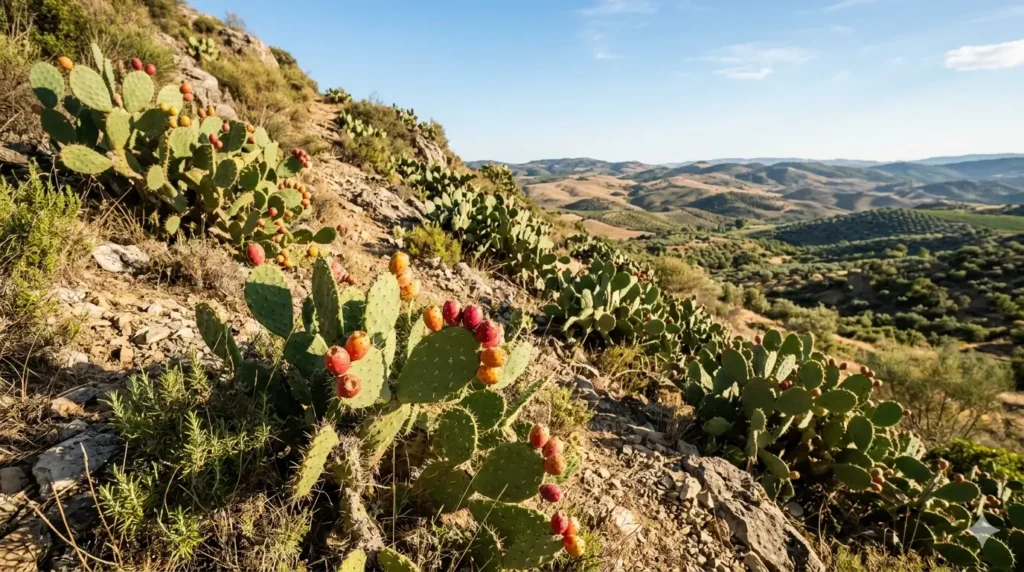
Chumba cacti Spain is something you’ll notice quickly if you ever travel across the sunny regions of southern Spain. These bold, spiky plants grow almost everywhere—from quiet countryside roads to rocky hills and even near beaches. But they are more than just wild plants. They are part of the culture, food, and landscape.
If you’re curious about what chumba cacti really are, why they grow so well in Spain, and how people use them, this guide will walk you through everything in a simple and clear way.
What Is Chumba Cactus?
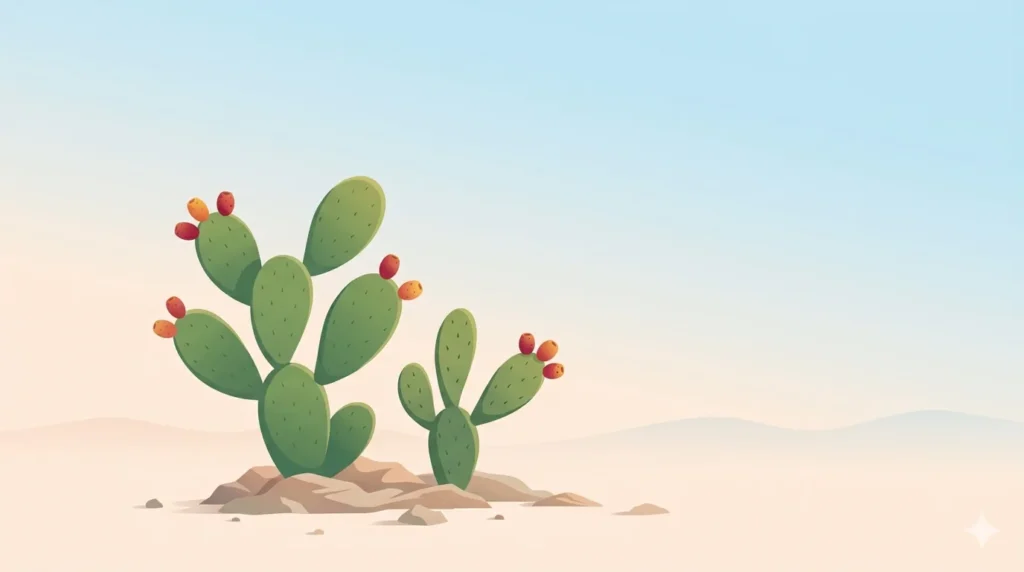
The term chumba cacti Spain usually refers to a type of cactus known for its flat, paddle-shaped leaves and bright fruits. Locals often call it chumbera, and its fruit is known as chumbo.
These cacti belong to a group that grows in dry and hot climates. They are easy to spot because of:
- Thick green pads
- Sharp spines
- Bright fruits (often red, orange, or yellow)
The fruit may look small, but it’s packed with flavor and nutrients.
Why Chumba Cacti Grow So Well in Spain
Spain, especially the southern part, has the perfect conditions for chumba cacti. The climate is warm, dry, and sunny—exactly what these plants need.
Here’s why chumba cacti Spain thrive so easily:
1. Dry Climate
These cacti don’t need much water. In fact, too much water can harm them. Spain’s dry weather is ideal.
2. Strong Sunlight
Chumba cacti love sunlight. The long sunny days help them grow faster and produce better fruit.
3. Rocky Soil
They don’t need rich soil. Even rough, rocky land works fine for them.
Because of this, they often grow wild without any care.
Where You Can Find Chumba Cacti in Spain
If you’re looking for chumba cacti Spain, you don’t have to search too hard. They are very common in certain regions.
Popular Areas
- Andalusia
- Valencia
- Murcia
- Canary Islands
You’ll see them along roadsides, farms, hills, and even near old buildings. Sometimes, they are used as natural fences because of their thick and spiky structure.
The Fruit of Chumba Cactus
One of the biggest reasons people talk about chumba cacti Spain is because of the fruit.
The fruit, called chumbo, is:
- Sweet and juicy
- Full of seeds
- Bright in color
How It Tastes
The taste is often compared to a mix of watermelon and pear. It’s refreshing, especially during hot summer days.
Is It Safe to Eat?
Yes, but you need to be careful. The outer skin has tiny spines that can stick into your skin. People usually remove the skin before eating.
Health Benefits of Chumba Fruit
Chumba fruit is not just tasty—it’s also healthy. That’s another reason why chumba cacti Spain are popular.
1. Rich in Vitamins
It contains vitamin C, which helps your immune system.
2. High in Fiber
Good for digestion and gut health.
3. Low in Calories
Great for people who want a light and healthy snack.
4. Antioxidants
Helps protect your body from damage.
Adding this fruit to your diet can be a simple way to stay healthy.
How Locals Use Chumba Cacti
In Spain, chumba cacti are not just wild plants. People use them in different ways.
1. Food
The fruit is eaten fresh or used in:
- Juices
- Jams
- Desserts
2. Natural Fences
Farmers plant them around fields to keep animals out.
3. Decoration
Some people grow them in gardens because they look unique.
How to Eat Chumba Fruit Safely
Eating chumbo can be a great experience, but you need to handle it properly.
Steps to Follow
- Use gloves or a cloth to hold the fruit
- Cut both ends
- Slice the skin from the side
- Remove the inside fruit
Once peeled, it’s safe and easy to eat.
When Is Chumba Season in Spain?
Timing is important if you want to enjoy fresh fruit.
The peak season for chumba cacti Spain is:
- Late summer (July to September)
During this time, the fruits are ripe and easy to find.
Are Chumba Cacti Native to Spain?
This might surprise you—chumba cacti Spain are not originally from Spain.
They were brought from the Americas many years ago. Over time, they adapted so well that now they feel like a natural part of the Spanish landscape.
Growing Chumba Cactus at Home
You don’t have to live in Spain to grow this plant. If you have the right conditions, you can grow it at home.
What You Need
- Warm climate
- Lots of sunlight
- Well-drained soil
Simple Steps
- Take a cactus pad
- Let it dry for a few days
- Plant it in soil
- Water lightly
It’s low maintenance and grows slowly but steadily.
Common Problems and How to Avoid Them
Even though chumba cacti Spain are strong plants, they can face some issues.
1. Overwatering
Too much water can rot the plant.
Solution: Water only when the soil is dry.
2. Pests
Some insects may attack the plant.
Solution: Clean the plant and remove pests by hand if needed.
3. Cold Weather
They don’t like frost.
Solution: Keep them in a warm place during winter.
Cultural Importance of Chumba Cacti in Spain
Over time, chumba cacti Spain have become part of local life.
- Seen in rural landscapes
- Sold in local markets
- Used in traditional recipes
They represent a mix of nature, history, and daily living.
Interesting Facts About Chumba Cacti
Here are some quick facts that make chumba cacti Spain even more interesting:
- They can store water for long periods
- Their fruit colors vary based on type
- Birds and animals also eat the fruit
- Some people use them in natural medicine
Should You Try Chumba Fruit?
If you ever get the chance, yes—try it.
Chumba cacti Spain offer a unique taste you won’t find in common fruits. It’s fresh, slightly sweet, and perfect for hot weather.
Just remember to peel it properly.
Final Thoughts
Chumba cacti Spain are more than just plants growing in the wild. They are a part of Spain’s identity, especially in warm regions. From their strong ability to survive in tough conditions to their sweet and refreshing fruit, they offer both beauty and value.
Whether you want to taste something new, learn about local plants, or even grow one yourself, chumba cacti are worth your attention.
Once you notice them, you’ll start seeing them everywhere—and understanding why they matter.