
If you’ve recently come across the word wattios, you’re probably wondering what it actually means. The term appears in different contexts online, from electricity and energy discussions to sports-focused brands. That can make it confusing at first.
In most technical and everyday conversations, wattios simply refers to watts, the standard unit used to measure power. The word comes from Spanish, where vatio means watt and vatios (sometimes written informally as wattios) means watts. Understanding wattios helps you make sense of appliance labels, electricity bills, solar systems, and many other topics related to energy.
This guide explains what wattios means, how it is used, common misconceptions, and why understanding it can help you make smarter decisions about electricity.
What Does Wattios Mean?
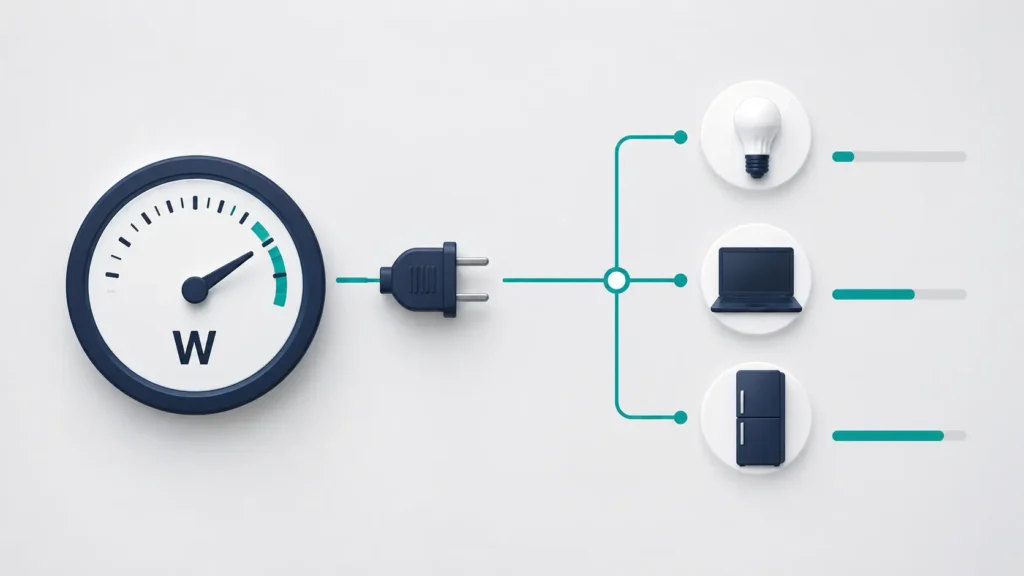
At its core, wattios refers to units of electrical power.
A watt (W) measures how quickly energy is used or produced. One watt equals one joule of energy per second, making it the international standard for measuring power. In Spanish-speaking regions, you’ll often see vatios, while some online content uses the spelling wattios as a mixed-language variation.
For example:
- A phone charger may use around 20 wattios (20 watts).
- An LED light bulb may use 8 to 12 wattios.
- An electric kettle often uses 1,500 to 2,000 wattios.
- An electric heater may consume more than 2,000 wattios.
The higher the wattios rating, the more power a device requires while it is operating.
Why Wattios Matter in Everyday Life
Most people don’t think about electrical power until they receive a high electricity bill or buy a new appliance. That’s where understanding wattios becomes useful.
Knowing a device’s wattage helps you:
- Compare energy use between products.
- Estimate electricity costs.
- Avoid overloading electrical circuits.
- Choose the right generator or power station.
- Size solar panels and battery systems correctly.
For example, two televisions might look similar, but one may consume 60 wattios while another uses only 35. Over time, the more efficient model can reduce energy consumption.
Wattios vs. Energy: What’s the Difference?
This is one of the biggest sources of confusion.
Wattios Measure Power
Power tells you how fast electricity is being used.
Example:
- Hair dryer: 1,800 wattios
- Laptop: 65 wattios
- Refrigerator: 150 wattios while running
Kilowatt-Hours Measure Energy
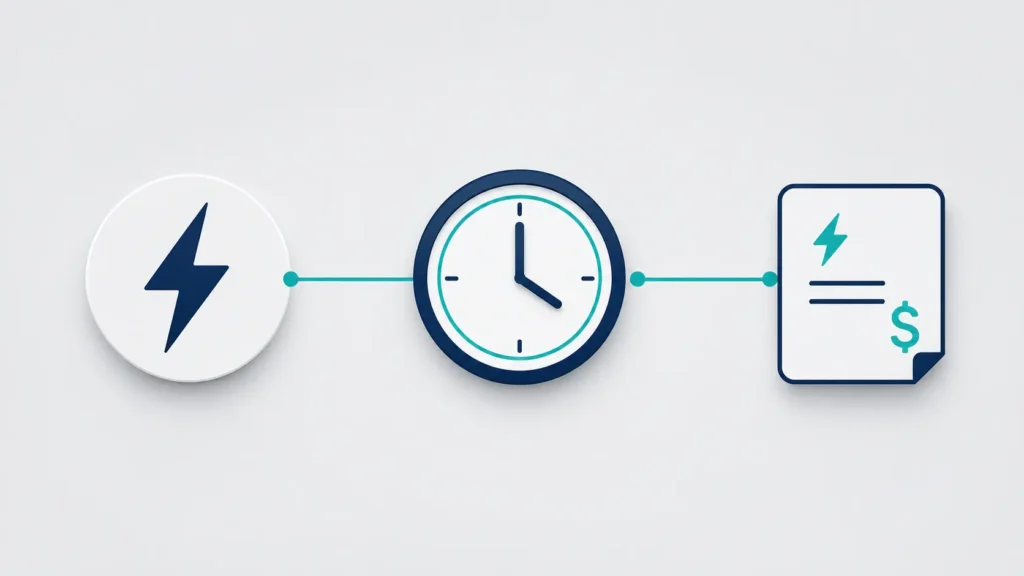
Your electricity company charges you for energy, not power.
Energy depends on:
Power × Time
For example:
- A 100-watt light running for 10 hours uses 1 kilowatt-hour (kWh).
- A 2,000-watt heater running for one hour uses 2 kWh.
Understanding this difference helps explain why high-wattage appliances become expensive only when used for long periods.
Common Household Appliances and Their Wattios
Here are approximate power ratings for everyday devices.
| Appliance | Typical Wattios |
|---|---|
| LED bulb | 8–12 W |
| Ceiling fan | 50–80 W |
| Laptop charger | 45–100 W |
| Television | 50–150 W |
| Refrigerator | 100–300 W |
| Microwave | 800–1,500 W |
| Electric kettle | 1,500–2,200 W |
| Hair dryer | 1,200–2,000 W |
| Air conditioner | 1,000–3,500 W |
These numbers vary by manufacturer and model but provide a useful starting point.
How to Calculate Electricity Use
You don’t need to be an engineer to estimate electricity usage.
Use this simple formula:
Energy (kWh) = Power (kW) × Time (hours)
Example:
Suppose your television uses 120 wattios.
- Convert to kilowatts: 120 W = 0.12 kW
- Watch TV for 5 hours
Energy used:
0.12 × 5 = 0.6 kWh
If your electricity costs $0.20 per kWh, watching TV costs about $0.12 for those five hours.
This simple calculation helps estimate the operating cost of nearly any electrical appliance.
How Wattios Help When Buying Appliances
Many buyers focus only on price and features.
Checking the wattios rating can save money over time.
When shopping:
- Compare power ratings between similar products.
- Look for energy-efficient models.
- Don’t assume higher wattios always means better performance.
- Read the appliance’s energy label.
For example, modern LED lighting provides the same brightness as older incandescent bulbs while using much fewer wattios.
Wattios and Solar Power
If you’re planning a solar installation, understanding wattios becomes even more important.
Solar panels are rated in watts.
Examples:
- 400-watt solar panel
- 550-watt commercial panel
- 5-kilowatt residential system
To size a solar system properly, installers calculate:
- Total appliance wattios
- Daily energy consumption
- Peak electricity demand
- Battery capacity
- Expected sunlight hours
Without accurate wattage calculations, a solar system may be too small or unnecessarily expensive.
Wattios in Industrial Settings
Homes aren’t the only places where wattios matter.
Factories, warehouses, hospitals, and office buildings rely on careful power planning.
Engineers use wattage calculations to:
- Design electrical systems.
- Select transformers.
- Prevent overloads.
- Plan backup generators.
- Reduce peak demand charges.
Large equipment may consume power measured in:
- Kilowatts (kW)
- Megawatts (MW)
- Gigawatts (GW)
These are simply larger units representing thousands, millions, or billions of wattios.
Common Myths About Wattios
Myth 1: Higher Wattios Means Better Quality
Not necessarily.
A device using more power isn’t automatically better. Modern technology often delivers equal or better performance while using less electricity.
Myth 2: Wattios and Volts Are the Same
They measure different things.
- Volts measure electrical pressure.
- Amps measure electrical current.
- Wattios measure electrical power.
All three work together but describe different parts of an electrical system.
Myth 3: Wattios Equal Your Electricity Bill
Your bill is based on kilowatt-hours, not simply the wattage of an appliance.
A high-powered device used for only a few minutes may cost less than a low-powered device running all day.
Is Wattios Also a Brand Name?
Yes. While the technical meaning relates to electrical power, Wattios is also used as a brand name by several businesses.
For example, Wattios Coffee is a Spanish specialty coffee brand aimed at athletes, combining sports culture with premium coffee. The company also operates alongside training-related services under the Wattios name.
There are also companies using the name Wattios in areas such as renewable energy and solar products. Because of this, search results for “wattios” may include both technical information and business names.
The meaning depends entirely on the context in which the word appears.
Practical Tips for Understanding Wattios
You don’t need advanced electrical knowledge to use wattage information effectively.
Keep these tips in mind:
- Always check the wattage label before buying an appliance.
- Compare similar products based on efficiency, not just price.
- Remember that running time affects electricity costs.
- Add together appliance wattios when choosing generators or backup batteries.
- Use smart plugs or energy monitors if you want to measure actual household power use.
Small improvements across several appliances can noticeably reduce electricity consumption over time.
Conclusion
Although the word wattios may seem unfamiliar, its meaning is straightforward. In most cases, it simply refers to watts, the internationally recognized unit of electrical power, often influenced by Spanish spelling and usage. Understanding wattios makes it easier to compare appliances, estimate electricity costs, choose efficient products, and better understand solar or electrical systems.
Whether you encounter the term in technical discussions, educational content, or as part of a company name, knowing what wattios represents helps you interpret information more accurately and make better energy-related decisions.
Frequently Asked Questions
What is wattios?
Wattios generally refers to watts, the standard unit used to measure electrical power. The term is commonly influenced by Spanish usage and may also appear as part of company or brand names.
Is wattios the same as watts?
Yes. In most contexts, wattios refers to watts and represents the rate at which electrical energy is used or produced.
Do more wattios always mean higher electricity bills?
Not always. Electricity cost depends on both the power rating and how long the appliance operates. A high-wattage device used briefly may consume less energy than a lower-wattage device used all day.
Why are wattios important when buying appliances?
They help you compare energy use, estimate operating costs, and choose more efficient products without relying only on purchase price.
Why do search results show companies named Wattios?
Several businesses use Wattios as a brand name, particularly in areas such as specialty coffee, training, renewable energy, and solar products. The intended meaning depends on the context of the search.