
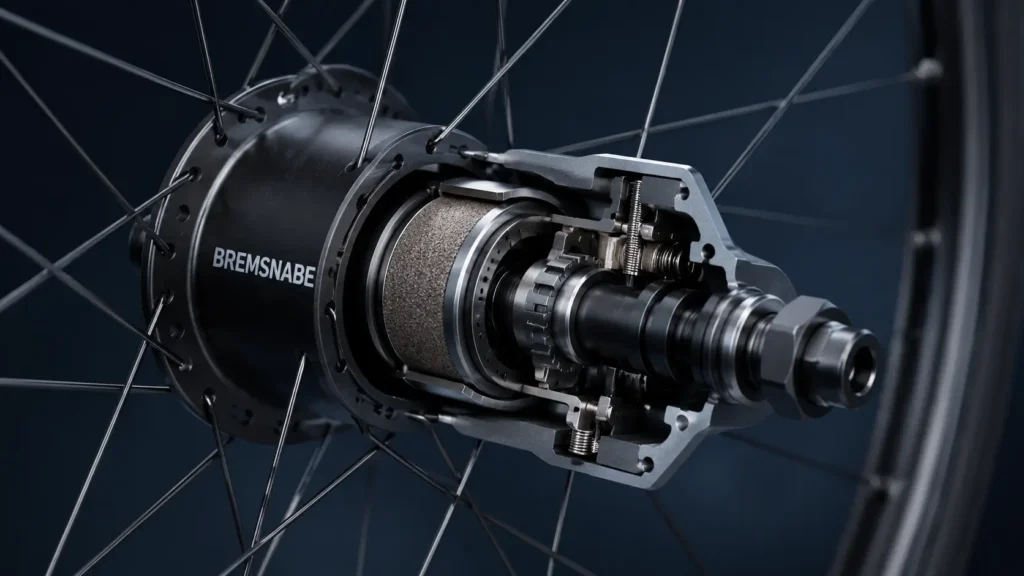
A Bremsnabe is one of the most important parts of many bicycles and other wheeled vehicles. While people often focus on the frame, tires, or gears, the brake hub quietly does an important job every time you slow down or stop.
If you have ever wondered what a Bremsnabe is, how it works, or whether it is the right choice for your bike, this guide covers everything in simple language.
By the end of this article, you’ll understand why many riders trust a Bremsnabe for everyday riding, city commuting, and long-term reliability.
What Is a Bremsnabe?
The German word Bremsnabe means brake hub.
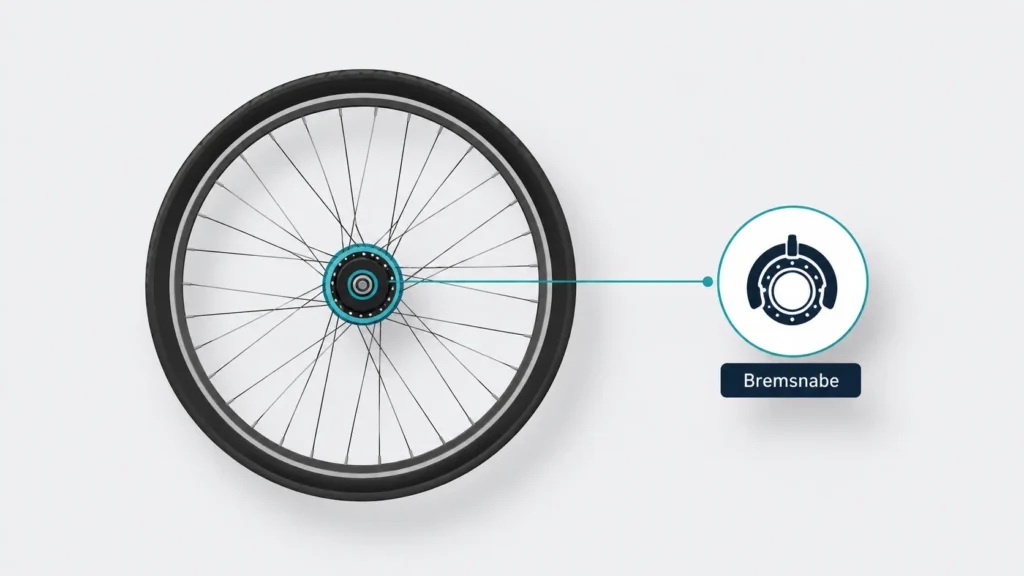
It is a hub built into the center of a bicycle wheel that contains the braking system. Instead of using brake pads that press against the wheel rim or a disc rotor, a Bremsnabe creates braking force inside the hub itself.
Because the braking parts are protected inside a sealed housing, they stay cleaner and usually need less maintenance than many other braking systems.
This simple but smart design has made the Bremsnabe popular for decades.
How Does a Bremsnabe Work?
A Bremsnabe works by creating friction inside the hub.
When you pull the brake lever or pedal backward, depending on the design, parts inside the hub press together. This friction slows the wheel until the bike comes to a controlled stop.
Unlike rim brakes, the braking surface is hidden inside the hub.
This offers several advantages:
- Better protection from dirt
- Less wear from weather
- Longer service life
- Smooth braking performance
- Reduced maintenance
Everything happens inside the wheel hub, making the system neat and well protected.
Main Types of Bremsnabe
Not every Bremsnabe works the same way. Here are the most common types.
Coaster Brake Hub
The coaster brake is one of the oldest and most popular versions.
Instead of squeezing a hand brake, you simply pedal backward to activate the brake.
This type is commonly found on:
- Children’s bicycles
- City bikes
- Cruiser bikes
- Dutch bicycles
Its biggest advantage is simplicity.
Drum Brake Hub
A drum Bremsnabe uses brake shoes inside a rotating drum.
When the rider pulls the brake lever, the shoes press against the inside of the drum to slow the wheel.
These systems provide:
- Smooth braking
- Low maintenance
- Good durability
- Reliable everyday performance
Roller Brake Hub
A roller Bremsnabe is a modern version developed for city bicycles.
Instead of brake shoes, small rollers create braking force inside the hub.
Roller brake hubs are known for:
- Quiet operation
- Consistent braking
- Long lifespan
- Easy maintenance
Many commuter bicycles use this design because it performs well in daily riding.
Why Many Cyclists Choose a Bremsnabe
A Bremsnabe offers several practical benefits that make it attractive for many riders.
Low Maintenance
One of the biggest reasons people choose a Bremsnabe is the low maintenance requirement.
Because the braking parts stay inside the hub, they are protected from:
- Rain
- Mud
- Dust
- Road salt
This means fewer adjustments and longer-lasting components.
Reliable in Wet Weather
Rain can reduce the performance of some braking systems.
A Bremsnabe is much less affected because its braking mechanism stays enclosed.
For riders who commute daily, this reliability is a major advantage.
Long Service Life
A quality Bremsnabe can last for many years with proper care.
Since the braking parts experience less exposure to dirt and water, wear happens more slowly.
Many cyclists use the same brake hub for thousands of kilometers.
Clean Appearance
A Bremsnabe creates a clean and simple bicycle design.
There are:
- No large brake calipers
- No exposed brake rotors
- Fewer external moving parts
Many riders appreciate this tidy look.
Quiet Braking
Most brake hubs produce very little noise.
Unlike some disc brakes that may squeal, a properly maintained Bremsnabe usually operates quietly.
Are There Any Disadvantages?
Although a Bremsnabe has many strengths, it is not perfect.
Here are a few drawbacks.
Heavier Than Some Systems
A brake hub contains extra internal parts.
This usually makes it heavier than a standard wheel hub.
Performance cyclists often prefer lighter braking systems.
Heat Can Build Up
During long downhill rides, repeated braking creates heat.
Because the braking system is enclosed, heat does not escape as quickly as with disc brakes.
For mountain riding, disc brakes often perform better.
More Difficult Repairs
A Bremsnabe is designed to need little maintenance.
However, when repairs are required, opening the hub can be more complicated than replacing brake pads on rim brakes.
Some repairs are best handled by experienced mechanics.
Bremsnabe vs Rim Brakes
Understanding the differences helps you choose the right braking system.
| Feature | Bremsnabe | Rim Brakes |
|---|---|---|
| Maintenance | Low | Moderate |
| Wet Weather | Very good | Can decrease |
| Cleaning | Easy | More frequent |
| Durability | Excellent | Good |
| Weight | Heavier | Lighter |
| Appearance | Clean | More visible parts |
For everyday commuting, a Bremsnabe often provides greater convenience.
Bremsnabe vs Disc Brakes
Disc brakes have become very popular, but a Bremsnabe still has its place.
Disc Brakes
Advantages:
- Strong braking power
- Better for mountains
- Excellent heat control
- High performance
Disadvantages:
- More maintenance
- More exposed parts
- Can become noisy
Bremsnabe
Advantages:
- Protected design
- Quiet operation
- Long-lasting
- Reliable in daily use
Disadvantages:
- Slightly heavier
- Less suitable for aggressive downhill riding
Your riding style should decide which system is better.
Where Is a Bremsnabe Commonly Used?
You will often find a Bremsnabe on:
- City bicycles
- Urban commuter bikes
- Family bikes
- Children’s bikes
- Cargo bicycles
- Dutch-style bicycles
- Utility bicycles
These bikes focus on comfort, reliability, and everyday use rather than racing.
How to Maintain a Bremsnabe
Even though a Bremsnabe requires little maintenance, regular care helps it last even longer.
Keep the Wheel Clean
Remove dirt from the outside of the hub regularly.
A clean wheel helps prevent unnecessary wear.
Check the Brake Cable
If your Bremsnabe uses a cable-operated brake, inspect the cable every few months.
Replace it if you notice:
- Rust
- Fraying
- Stiff movement
Listen for Unusual Sounds
Grinding, clicking, or rubbing noises may indicate that your Bremsnabe needs inspection.
Finding small problems early often prevents expensive repairs later.
Lubricate When Recommended
Some brake hubs require special grease.
Always follow the manufacturer’s maintenance instructions.
Using the wrong lubricant can reduce braking performance.
Inspect Annually
If you ride every day, having your Bremsnabe checked once a year is a smart idea.
Professional servicing helps keep the brake working safely.
Who Should Choose a Bremsnabe?
A Bremsnabe is an excellent choice if you:
- Ride in the city
- Commute to work
- Prefer low maintenance
- Ride in rainy weather
- Want reliable braking
- Value durability
- Enjoy simple bicycle designs
It may not be the best choice if you regularly ride steep mountain trails or compete in cycling races.
Common Questions About Bremsnabe
Is a Bremsnabe safe?
Yes. A properly installed and maintained Bremsnabe provides safe and dependable braking for everyday cycling.
How long does a Bremsnabe last?
With proper maintenance, a quality Bremsnabe can last many years and often thousands of kilometers before major servicing is needed.
Can I replace a Bremsnabe myself?
Experienced cyclists may be able to replace one, but many people prefer professional installation because the internal mechanism requires careful adjustment.
Does a Bremsnabe work in rain?
Yes.
One of the biggest strengths of a Bremsnabe is its consistent braking performance in wet weather since the braking mechanism stays protected inside the hub.
Is a Bremsnabe better than disc brakes?
Neither system is better for every rider.
A Bremsnabe is ideal for daily commuting and low maintenance, while disc brakes are usually preferred for mountain biking and high-speed riding.
Tips Before Buying a Bremsnabe
Before choosing a Bremsnabe, consider these points:
- Think about where you ride most.
- Check if your bicycle frame is compatible.
- Compare maintenance needs.
- Consider the total wheel weight.
- Buy from a trusted manufacturer.
- Choose a model that matches your riding style.
Making the right choice now can save money and maintenance later.
Final Thoughts
A Bremsnabe is a practical braking solution that has earned its reputation through years of dependable performance. Its enclosed design protects the braking system from dirt, water, and daily wear, making it an excellent option for commuters, city riders, families, and anyone who wants reliable stopping power with minimal maintenance.
While it may not replace high-performance disc brakes for extreme mountain biking or competitive cycling, the Bremsnabe shines where simplicity, durability, and consistency matter most. For everyday transportation, it offers a balance of safety, comfort, and long-term value that many cyclists appreciate.
If your priority is a braking system that works quietly, lasts for years, and requires little attention, a Bremsnabe is well worth considering.