
Who Is Kilmar Armando Ábrego García?
Kilmar Armando Ábrego García is a Salvadoran immigrant whose name became known across the United States after a controversial deportation case in 2025. What started as an immigration enforcement action quickly turned into one of the most discussed legal and political stories in the country.
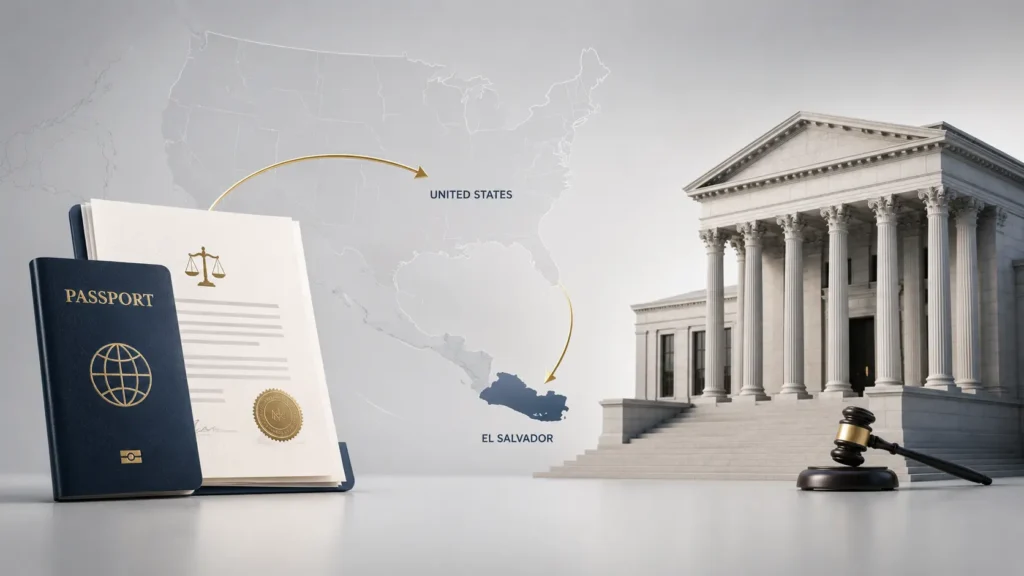
His case raised serious questions about immigration policy, due process, government accountability, and the rights of migrants living in the United States. Supporters argue that Kilmar Armando Ábrego García was wrongly deported despite legal protections, while critics point to allegations that emerged later during court proceedings.
No matter where people stand politically, the story of Kilmar Armando Ábrego García has become an important chapter in the ongoing debate about immigration and the rule of law.
Early Life and Move to the United States
Kilmar Armando Ábrego García was born in El Salvador. According to court records and public reports, he came to the United States as a teenager after fleeing violence and gang-related threats in his home country.
Like many immigrants seeking safety, he hoped to build a more stable future. Over the years, he settled in Maryland, worked regularly, and built a family life in the United States.
His situation attracted attention because he had been living in the country for several years and had received certain legal protections that prevented his removal to El Salvador.
Why Was Kilmar Armando Ábrego García Protected From Deportation?
A key part of the Kilmar Armando Ábrego García story involves a legal decision made years before his deportation.
In 2019, an immigration judge ruled that he should not be sent back to El Salvador because he could face persecution or danger there. This type of protection does not automatically grant permanent legal status, but it does prevent deportation to a specific country.
That ruling became extremely important in 2025 when immigration authorities removed him from the United States despite the existing protection order.
The government later acknowledged that his deportation should not have happened under those circumstances.
The Arrest That Changed Everything
In March 2025, Kilmar Armando Ábrego García was stopped and taken into custody by immigration authorities.
According to court filings, officials informed him that his immigration status had changed. He was detained and transferred through several facilities before being deported to El Salvador.
The deportation quickly became controversial because government lawyers later admitted that an administrative error had occurred. Reports indicated that officials were aware of the previous immigration court ruling that protected him from removal to El Salvador. Despite that protection, he was deported anyway.
As news of the mistake spread, legal experts and immigration advocates began questioning how such an error could happen.
Deportation to El Salvador
After his removal from the United States, Kilmar Armando Ábrego García was sent to El Salvador.
His case gained even more attention because he was reportedly held in a high-security detention facility that had become internationally known for housing individuals accused of gang-related crimes and terrorism offenses.
Supporters argued that his detention highlighted the human consequences of administrative mistakes in immigration enforcement. Critics of the deportation process said the government had failed to respect an existing court order.
The situation quickly moved beyond a routine immigration case and became a major legal battle.
The Legal Fight Begins
Soon after the deportation, attorneys representing Kilmar Armando Ábrego García and his family filed legal challenges in federal court.
The lawsuits argued that the deportation violated legal protections already granted by an immigration judge. They also sought to force the government to take steps to bring him back to the United States.
Federal courts examined whether government agencies had followed the law and whether the deportation should be reversed.
The case attracted national attention because it touched on a fundamental issue: Can the government deport someone when a court order says that person cannot be sent to a particular country?
That question became central to the ongoing legal battle.
Government Response
One reason the Kilmar Armando Ábrego García case became so widely discussed was the government’s own admission.
Court filings acknowledged that immigration authorities had removed him because of an administrative error. This admission became a major piece of evidence during legal proceedings.
Government officials later argued over what steps could or should be taken to correct the mistake.
The dispute eventually reached higher courts and generated intense public discussion about executive power, immigration enforcement, and judicial oversight.
Return to the United States
After months of legal battles and public attention, Kilmar Armando Ábrego García was returned to the United States in June 2025. His return marked a major turning point in the case.
Many observers viewed the return as evidence that courts could still influence immigration decisions when legal errors occur.
However, the story did not end there.
Almost immediately after returning, Kilmar Armando Ábrego García faced a new set of legal challenges.

Criminal Charges and New Controversy
Following his return, federal prosecutors announced criminal charges against Kilmar Armando Ábrego García.
The charges alleged involvement in transporting undocumented migrants for financial gain and conspiracy related to those activities. Prosecutors argued they had evidence supporting the allegations.
His legal team strongly rejected the accusations and claimed the prosecution was unfair.
The criminal case created a second major controversy because it shifted public attention from the deportation mistake to questions about the new allegations.
As a result, public opinion became even more divided.
Court Battles Continue
The legal proceedings involving Kilmar Armando Ábrego García continued throughout 2025 and into 2026.
Judges reviewed questions involving detention, deportation authority, criminal charges, and constitutional protections.
In May 2026, a federal judge dismissed the criminal indictment, finding that the prosecution appeared to be retaliatory and raising concerns about the motives behind the case. The ruling added another dramatic chapter to an already complex legal battle.
Even after that decision, the broader immigration issues surrounding the case continued to generate debate.
Why the Case Matters
The Kilmar Armando Ábrego García case is about more than one individual.
For immigration advocates, the case highlights concerns about mistakes within the deportation system and the importance of due process protections.
For supporters of stricter immigration enforcement, the case demonstrates the challenges involved in balancing immigration control with legal safeguards.
Legal scholars have also pointed to the case as an example of the tension that can arise between executive agencies and federal courts. The dispute forced judges to examine whether government actions complied with existing legal orders and constitutional principles.
Because of these issues, the case became one of the most closely watched immigration stories in recent years.
Public Reaction
Public reaction to Kilmar Armando Ábrego García has been sharply divided.
Some people view him as a symbol of the need for stronger protections against wrongful deportation. Others focus on allegations raised during later legal proceedings and argue that the full story is more complicated.
News organizations, legal experts, politicians, and advocacy groups have all discussed the case from different perspectives.
The debate reflects larger national disagreements over immigration policy, border security, and the role of courts in overseeing government actions.
What Happens Next?
The long-term impact of the Kilmar Armando Ábrego García case is still being discussed.
Although some legal questions have been resolved, the case continues to be referenced in conversations about immigration reform and government accountability.
Future court decisions, policy changes, and immigration debates may continue to cite the events surrounding Kilmar Armando Ábrego García as an example of how immigration enforcement and legal protections can collide.
For many observers, the case will remain a significant legal and political story for years to come.
Conclusion
Kilmar Armando Ábrego García became the center of a national controversy after being deported despite legal protections that should have prevented his removal to El Salvador. The government’s admission of an administrative error transformed his situation into a major legal battle that reached federal courts and attracted nationwide attention.
His return to the United States, subsequent criminal charges, and ongoing court proceedings turned the case into one of the most discussed immigration stories of recent years. Whether viewed through the lens of immigration policy, due process, or government accountability, the story of Kilmar Armando Ábrego García continues to shape conversations about the future of immigration law in America.